
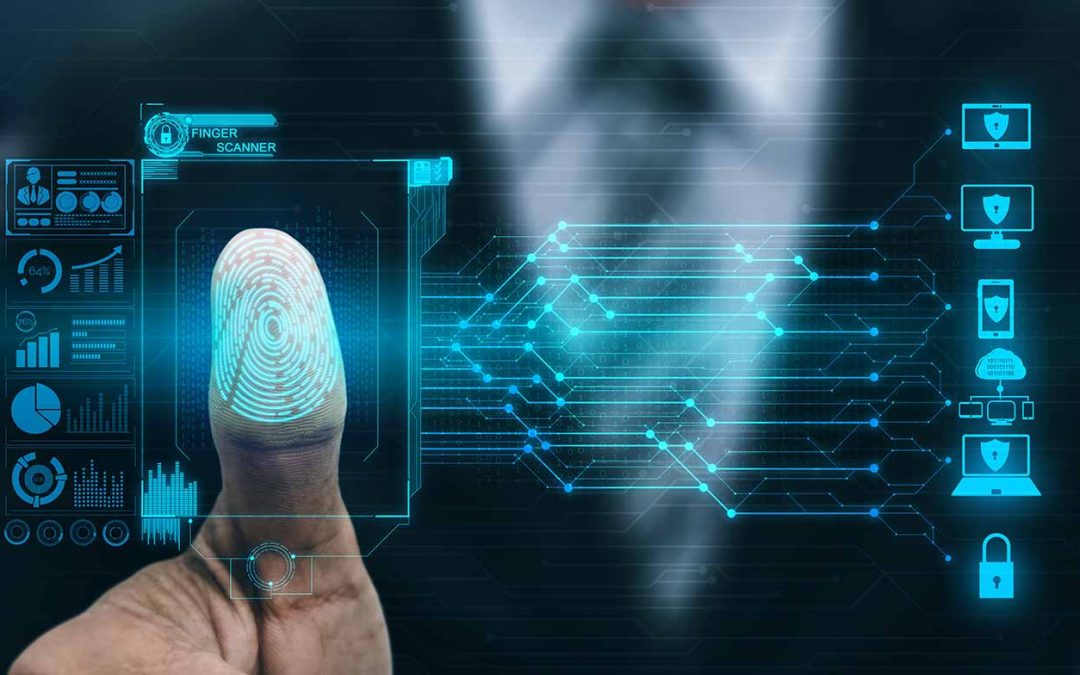
The combination of artificial intelligence (AI) with biometric identification and authentication creates a potent instrument for establishing and safeguarding identity. Biometric data evaluated and processed by AI has enormous potential for developing a more secure digital environment.
In contrast to passwords, biometrics are unique and non-transferable, which makesbiometric identity authentication and ID verification more straightforward. It is perfect for safeguarding accounts, protecting enterprises, boosting privacy and cybersecurity, and defending against identity theft.
However, there are ethical concerns about biometric AI. Using biometric data fairly and ethically should be simple, yet many organizations are scrutinized for unethical activities.
ID.me, Clearview AI, and Onfido have encountered legal and political issues due to their biometric data use. As the acts of these firms attract the attention of legislators and the courts, this is likely to lead to the implementation of more ethical biometrics rules and the protection rather than exploitation of customers.
Ethical biometrics include explicit informed permission to use biometrics, bias-free biometrics based on skin tone, gender, or other traits, and an opt-in rather than an opt-out approach for biometrics usage.
In May 2022, Senators Ron Wyden, Cory Booker, Edward Markey, and Alex Padilla requested that the Federal Trade Commission investigate ID.me for allegedly misrepresenting their face recognition service to the government. Senators asserted that ID.me appeared to mislead consumers regarding the company’s use of biometric data. They also stated that ID.me’s statements regarding the use and storage of consumer biometric data may have influenced state and federal officials in selecting an ID verification provider for government services.
Senators argue that since early 2021, ID.me has stated in blog posts and white papers that it uses solely one-to-one face recognition technology. In January 2022, after the backlash against the IRS’s intentions to demand ID.me facial recognition, the company’s CEO reiterated that the system does not utilize one-to-many face recognition, calling it problematic and tied to surveillance applications. Two days later, ID.me’s CEO acknowledged in a LinkedIn post that the company’s identity verification procedure includes one-to-many face recognition.
After winning hundreds of contracts with the Internal Revenue Service, the Social Security Administration, and state unemployment agencies, ID.me reportedly battled security flaws, inadequate verification procedures, and personnel concerns.
Identity theft and account takeovers are rising due to the digital revolution. Employers and customer-centric businesses must be able to protect the identities and accounts of their users by utilizing cutting-edge technology, such as biometric AI. This should not, nonetheless, come at the expense of privacy or disfavor some portions of the population.
Biometric AI effectively establishes and safeguards customer identities and fosters a more secure digital environment. Therefore, it is essential to establish legal and legislative rules for using biometric AI. Companies seeking to improve their digital security should choose a biometric supplier whose solutions are designed to treat all users ethically and equitably.
Cybersecurity safeguards systems and sensitive data from digital threats. Its methods are meant to defend against threats to networked systems and applications.
Cybersecurity should be a year-round priority for businesses, but October is Cybersecurity Awareness Month and a good time for organizations to assess their practices and security trends.
Check the article below from authID to know the four security themes to keep in mind this cybersecurity awareness month.
 Evaluation Tech