
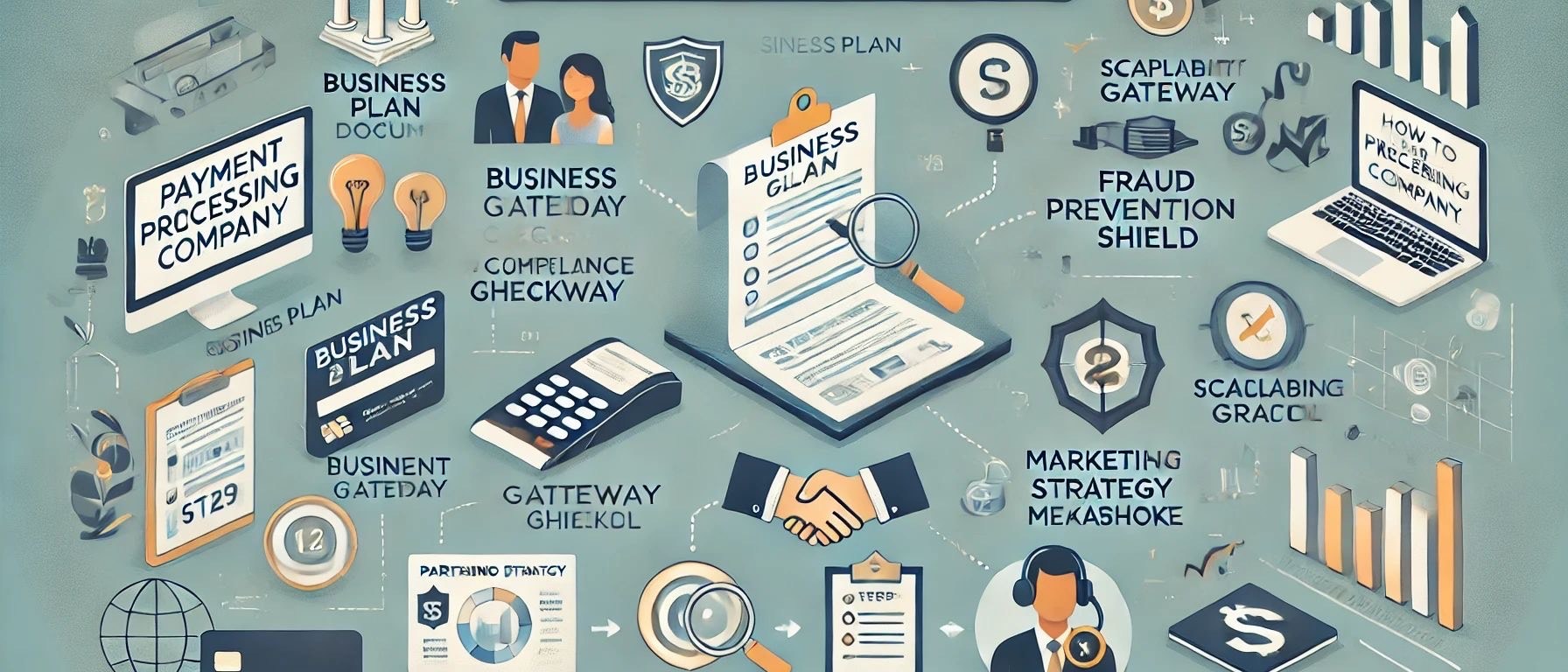
These days, starting a payment processing company presents a lucrative opportunity. As online transactions become the norm, businesses and consumers alike demand seamless, secure, and efficient payment solutions. This guide will walk you through the essential steps to start your own payment processing company, ensuring you navigate the complexities and capitalize on the opportunities in this dynamic industry.
Payment Processing Company: Market Potential
A payment processing company acts as an intermediary between merchants and financial institutions, facilitating the transfer of funds from customers to merchants. These companies handle the authorization, settlement, and reporting of payment transactions, ensuring secure and efficient money transfers.
The boom for global payment processing solutions is driven by the rise of e-commerce, mobile payments, and digital wallets. According to recent reports, the market is expected to grow at a compound annual growth rate (CAGR) of over 10% in the next few years. This growth creates ample opportunities for new entrants to carve out a niche in the industry.
Steps to Start Your Payment Processing Company
Create a Business Plan
Develop a comprehensive business plan outlining your company’s mission, vision, target market, value proposition, and revenue model. Include detailed financial projections, marketing strategies, and a roadmap for technology development.
Your business plan should outline:
- Market Research: Identify your target market, understand the competition, and define your unique selling propositions (USPs).
- Services Offered: Determine the types of payment processing services you will provide, such as credit card processing, ACH payments, mobile payments, etc.
- Revenue Model: Define how your company will make money, whether through transaction fees, monthly fees, or a combination of both.
- Operational Plan: Detail the logistics of how your company will operate, including technology infrastructure, partnerships, and staffing requirements.
- Financial Projections: Provide realistic financial forecasts, including startup costs, operating expenses, and revenue projections.
Obtain Necessary Licenses
Payment processing is a highly regulated industry. Obtain the necessary licenses and registrations, such as:
- PCI DSS Compliance
- Money Transmitter License
- Other Regulatory Requirements (GDPR, PSD2, and AML/KYC).
Meet Standards
Adhere to industry standards and regulations, including PCI DSS (Payment Card Industry Data Security Standard) for data security, AML (Anti-Money Laundering) laws, and KYC (Know Your Customer) requirements. Implement robust compliance frameworks to mitigate risks and build trust with clients and partners.
Develop Payment Gateway
Develop or integrate a secure and reliable payment gateway to process transactions. Ensure the gateway supports multiple payment methods, including credit/debit cards, digital wallets, and alternative payment methods.
Prevent Frauds
Implement advanced fraud detection and prevention mechanisms to protect your clients and their customers from fraudulent activities. Utilize machine learning algorithms and risk-scoring models to identify and mitigate potential threats. Implement robust security measures to protect sensitive payment data, including encryption, tokenization, and other fraud prevention tools.
Provide Scalability and Reliability
Invest in scalable and reliable technology infrastructure to handle high transaction volumes and ensure uninterrupted service. Cloud-based solutions offer flexibility and cost-efficiency, allowing you to scale operations as your business grows.
Build Partnerships
Forge partnerships with banks and financial institutions to facilitate the processing and settlement of transactions. These partnerships are crucial for ensuring the smooth flow of funds between customers and merchants.
Build Marketing and Sales Strategy
Create a strong brand identity that resonates with your target audience. Develop a compelling brand story, logo, and visual elements that convey trust, security, and innovation.
Offer Customer Support
Provide multi-channel customer support to address client inquiries and resolve issues promptly. Deliver support via phone, email, live chat, and social media to ensure a seamless customer experience.
Conclusions
Starting a payment processing company involves navigating complex technology, regulatory, and operational challenges. Akurateco specializes in providing white-label solutions, making it easier and faster to enter the payment processing market. With Akurateco, you can leverage our expertise and infrastructure to launch your payment processing business with minimum time and costs. Ready to take the next step and start your own payment processing company? Reach out to Akurateco today and let us help you turn your vision into reality.
 Evaluation Tech