
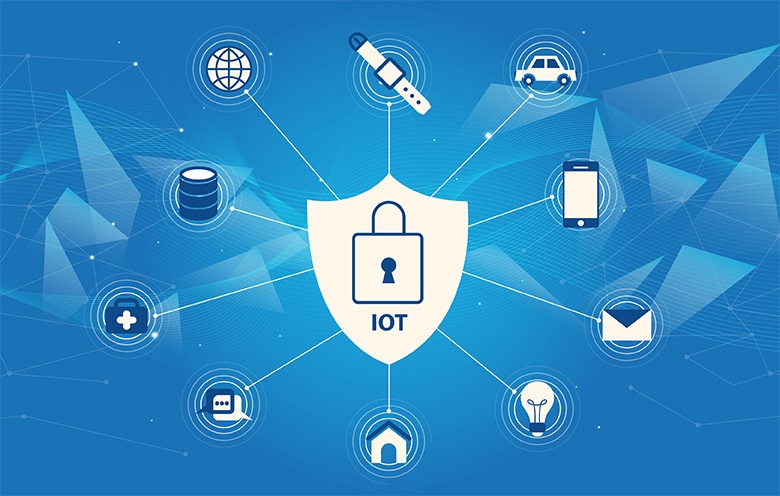
In the ever-changing world of the Internet of Things, connecting everyday objects to the Internet has become a reality. From smart refrigerators and thermostats to industrial sensors and medical devices, the interconnected ecosystem adds unrivalled convenience and efficiency to our lives while posing devastating security vulnerabilities. Any connected device is a possible entry point for malicious actors; therefore, it becomes more important than ever to have strong security. The growing number of iot cybersecurity devices necessitates the understanding and implementation of best practices to ensure protection for individuals and organizations alike.
The Power of Encryption: Protecting Your IoT Data
Encryption is one of the pillars of IoT security because it may be regarded as a digital lockbox for sensitive data. The activity of encryption is to convert readable manner information into a format that is unreadable. Thus, even if someone intercepts the data, it would be quite incomprehensible for the unauthorized person. Encryption should be applied for data communication (data in transit), moving between the IoT device and the cloud or other devices, as well as for data at rest-that is, stored in the device itself or in databases. Strong encryption protocols must absolutely be applied, such as TLS/SSL for communication and AES for storage, so that it can protect the data’s confidentiality and its integrity against breaches.
Network Segmentation: Creating Secure Zones for IoT
Network segmentation is an effective technique in which a network is categorized into smaller isolated segments. For IoT devices, implementing network segmentation would mean establishing a separate network or sub-network for these devices, thereby isolating them from the major network where computers and critical systems reside. This approach confines any potential damage from a security breach on an IoT device. If a device is compromised, then the attacker’s realm is confined to that segment, restricting movement to even more sensitive parts of the network, thus reducing damage to a minimum.
Staying Updated: The Vital Role of Software Patches
Regular updates of software are important to the whole lifetime of an IoT device, in keeping with the security of the device. Like any software, the firmware and applications for the IoT device have vulnerabilities that an attacker could exploit. The manufacturer regularly releases updates and patches to fix these defects and strengthen security. The failure to apply these updates leaves the devices exposed to known exploits and makes them easy targets for cybercriminals. Wherever possible, updates must be automated, and a system for promptly applying patches as they become available must be adopted and observed as a key best practice.
Conclusion
Encryption, network segmentation, and software upgrading are important but not sufficient for IoT security. Include multi-factor authentication, access control lists to limit device permissions, and intrusion prevention systems to monitor activity for intrusion detection.
 Evaluation Tech