
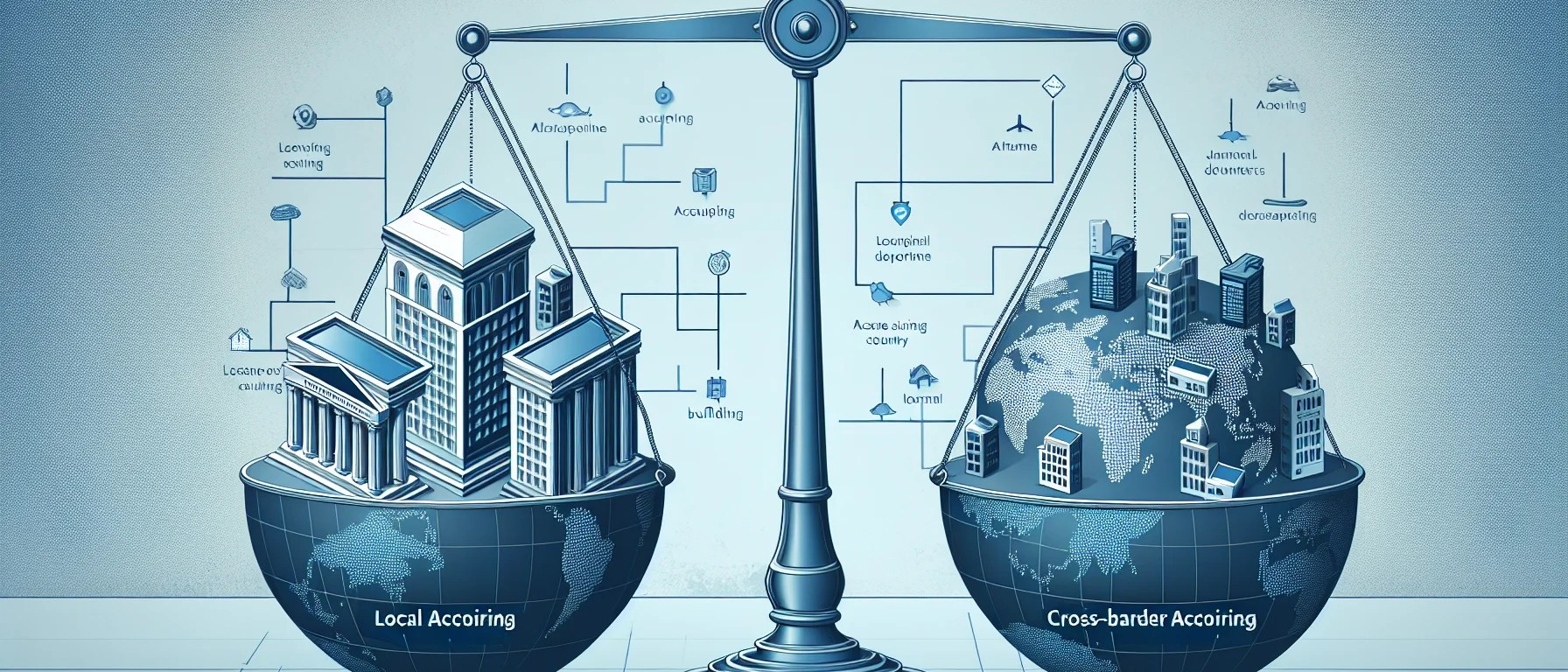
In today’s globalized economy, businesses looking to expand internationally face a critical decision: how to handle payments from customers in different countries. The choice between a local card acquiring model and a cross-border acquiring strategy can significantly impact a business’s profitability, customer experience, and operational efficiency.
This article, leveraging PayerMax’s expertise, will break down the key differences between these two models and show how a hybrid approach, powered by a sophisticated payment partner, can unlock massive growth.
What Is Local Acquiring?
Local acquiring is the process of handling card payments through an acquiring bank or financial institution located in the same country as the customer. From the issuing bank’s perspective, the transaction appears to be domestic, which is a major advantage.
Key Benefits of Local Acquiring
Local acquiring isn’t just a technical detail; it’s a strategic tool that directly boosts business performance. Here’s why it’s so powerful:
- Higher Approval Rates: A domestic transaction is perceived as less risky by the cardholder’s issuing bank. This familiarity leads to a significant increase in payment approval rates, often by 5-15% or more, reducing frustrating false declines and cart abandonment.
- Lower Costs: By avoiding international processing routes, merchants can bypass higher cross-border fees, including international service assessments and currency conversion charges. This can lead to savings of up to 1% per transaction.
- Improved Customer Experience: Local acquiring payments support the use of local currencies and preferred local payment methods like mobile wallets (e.g., GoPay in Indonesia or KakaoPay in South Korea). This tailored checkout experience builds trust and makes the purchase feel more secure and familiar.
- Faster Settlements: Local clearing networks and streamlined processes allow for quicker fund settlement, which improves a merchant’s cash flow and financial predictability.
What Is Cross-Border Acquiring?
Cross-border acquiring enables a merchant to accept international payments using an acquiring bank that is not in the customer’s country. This model is often the starting point for businesses expanding globally, as it offers a single-point solution for wide market access.
The Role of Global Acquiring
A global acquiring strategy is the umbrella under which cross-border acquiring operates. It provides a single integration point to process payments from multiple regions, offering flexibility and speed to market.
- Global Reach: It allows a business to start selling to customers worldwide without needing to establish a local legal entity or bank account in every country.
- Simplified Integration: A single API integration can cover a vast number of markets, simplifying a merchant’s technical setup and ongoing maintenance.
The Challenges of Cross-Border Acquiring
While convenient, pure cross-border acquiring has its downsides. Transactions often appear as foreign to the customer’s bank, leading to:
- Lower Approval Rates: Issuing banks may flag these transactions as high risk, leading to more frequent declines.
- Higher Fees: Currency conversions and international transaction fees can accumulate, eating into profit margins.
- Customer Friction: Customers may be less willing to pay with an unfamiliar currency or through a system that doesn’t support their preferred local payment methods.
Cross-Border vs Local Acquiring: The Hybrid Advantage
The data shows that a single approach is rarely the optimal solution. The most successful businesses combine the best of both worlds. The core of a superior global acquiring strategy lies in using local card acquiring for key, high-volume markets while relying on cross-border solutions for new or lower-volume regions.
This hybrid approach allows businesses to:
- Maximize Revenue: Achieve the highest possible approval rates and lowest costs in their most important markets.
- Maintain Flexibility: Quickly enter new markets without the immediate need for a local presence.
- Optimize the Customer Journey: Offer a localized payment experience, whether the customer is in Indonesia paying with a mobile wallet or in Brazil using a local card.
How PayerMax Bridges the Gap
Navigating the complexities of cross-border vs local acquiring can be overwhelming. This is where a strategic payment partner with deep local expertise and global capabilities becomes essential.
PayerMax’s platform is designed to be the one-stop solution for all payment challenges. We offer:
- Acquiring Capability with 600+ Global Payment Methods: Our network supports an extensive range of local payment methods, from popular e-wallets in Southeast Asia to local card networks, ensuring you meet customer expectations in every market.
- Intelligent Routing: Our system automatically directs transactions through the optimal payment channel—local or cross-border—to maximize success rates and minimize costs in real-time.
- Comprehensive Compliance: We handle complex regulatory requirements across different markets, holding local licenses and ensuring your transactions are secure and compliant with all local laws.
- Seamless Integration: With multiple integration modes, from a full cashier page to a direct API, we provide the flexibility to connect and go live quickly, regardless of your technical resources.
By partnering with PayerMax, you gain a competitive advantage by transforming your payment process from a cost center into a powerful engine for global growth.
To learn more about how PayerMax can help you master the nuances of local acquiring payments and build a truly effective global acquiring strategy, Visit PayerMax official website.
 Evaluation Tech