
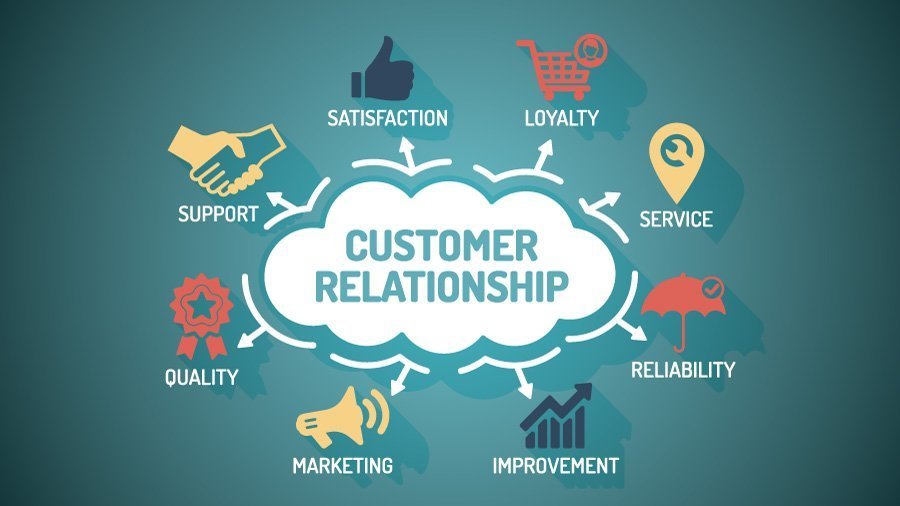
In the competitive landscape of the restaurant industry, building strong customer relationships is essential for success. Customer Relationship Management (CRM) systems have emerged as powerful tools for restaurants to effectively manage and optimize their marketing efforts. By collecting and analyzing customer data, CRM systems enable restaurants with Restaurant OS to personalize marketing strategies, enhance customer experiences, and drive customer loyalty. In this article, we will explore the role of CRM systems in restaurant marketing and the benefits they offer.
- Customer Data Collection and Management
CRM systems facilitate the collection and management of customer data, ranging from contact information to dining preferences and purchase history. By centralizing this data, restaurants can develop comprehensive customer profiles and gain valuable insights into their target audience. This information allows for more targeted and personalized marketing campaigns, enabling restaurants to deliver relevant messages and offers to their customers.
- Personalized Marketing Campaigns
CRM systems enable restaurants to segment their customer base based on various criteria, such as demographics, dining habits, or order preferences. This segmentation allows for the creation of highly personalized marketing campaigns. For example, restaurants can send targeted promotions or discounts to customers who frequently order a particular type of cuisine. By tailoring marketing messages to specific customer segments, restaurants can increase the effectiveness of their marketing efforts and drive customer engagement.
- Email Marketing and Automation
CRM systems often include email marketing features that allow restaurants to automate and personalize their email campaigns. With CRM systems, restaurants can send automated welcome emails to new customers, birthday promotions to loyal patrons, or follow-up emails to gather feedback after a dining experience. Email automation saves time and ensures consistent communication with customers, keeping them engaged and informed about special offers, events, or menu updates.
- Loyalty Program Integration
CRM systems can integrate with loyalty programs, helping restaurants effectively manage and track customer loyalty. By connecting loyalty program data with the CRM system, restaurants can monitor customer participation, reward points, and redemption history. This integration allows for targeted promotions to loyal customers, such as exclusive offers or personalized rewards. CRM systems enhance loyalty program management, ensuring that restaurants can nurture and retain their most valuable customers.
- Customer Feedback and Reviews
CRM systems enable restaurants to capture and analyze customer feedback and reviews. By integrating customer feedback into the CRM system, restaurants can track and respond to customer concerns or suggestions promptly. This proactive approach to customer feedback management helps improve customer satisfaction, resolve issues efficiently, and demonstrate a commitment to excellent service. Additionally, CRM systems allow restaurants to identify trends or patterns in customer feedback, enabling them to make informed decisions to enhance the overall dining experience.
- Data Analytics and Reporting
CRM systems provide powerful data analytics and reporting capabilities that help restaurants measure the success of their marketing efforts. By analyzing customer data, restaurants can identify trends, preferences, and purchasing patterns. This information can be used to refine marketing strategies, optimize menu offerings, and improve operational efficiencies. CRM systems provide valuable insights that enable restaurants to make data-driven decisions to attract new customers, retain existing ones, and drive business growth.
Conclusion
Customer Relationship Management (CRM) systems play a vital role in restaurant marketing by facilitating personalized marketing campaigns, customer data management, and loyalty program integration. By leveraging the power of CRM systems, restaurants can effectively engage with customers, nurture long-term relationships, and enhance the overall dining experience. CRM systems provide valuable customer insights, enabling restaurants to tailor marketing strategies, optimize operations, and drive customer loyalty. As the restaurant industry becomes increasingly competitive, adopting CRM systems has become a crucial component of successful marketing strategies, helping restaurants stay connected with their customers and thrive in a dynamic market.
 Evaluation Tech