
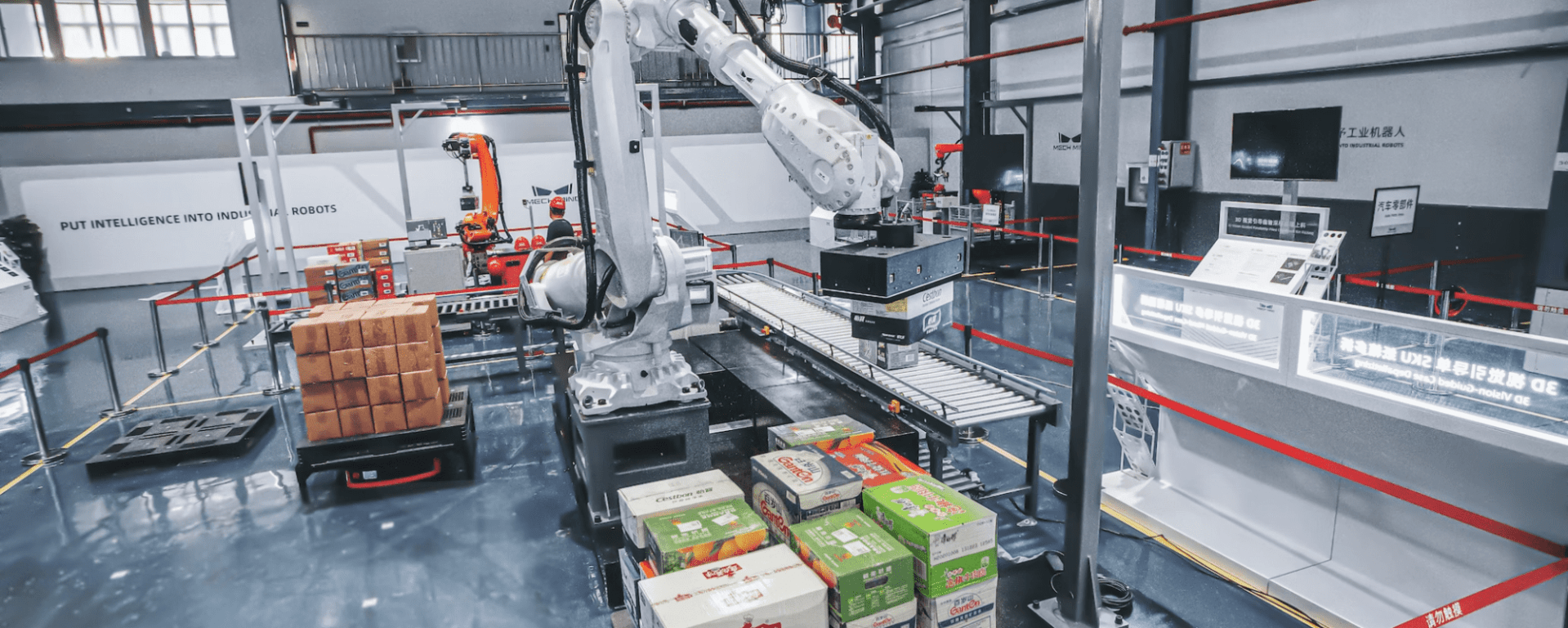
Automated print and apply systems are revolutionizing the way businesses handle labeling tasks. These systems work by automatically printing labels and applying them to products, packages, or pallets. This technology integrates seamlessly into production lines, ensuring labels are accurately placed without manual intervention. Understanding how automated print and apply systems function highlights their importance in modern manufacturing and logistics.
Find below five key benefits of these innovative systems.
Enhanced efficiency
One of the main advantages of automated print and apply systems is enhanced efficiency. These systems can label thousands of items per hour, far exceeding the capabilities of manual labeling. By automating the process, businesses can significantly reduce the time it takes to label products, leading to faster production cycles. This increased efficiency allows companies to meet high demand and tight deadlines more easily. Streamlined operations mean that products move quickly from production to distribution, improving overall productivity.
Cost-efficiency
Automated print and apply systems offer excellent cost-efficiency. By reducing the need for manual labor, companies can lower labor costs. These systems also minimize errors that can occur with manual labeling, reducing waste and the need for rework. Additionally, automated systems can run continuously, unlike human workers who need breaks and shifts. This continuous operation maximizes output and further contributes to cost savings. Over time, the investment in an automated system can lead to significant financial benefits.
Customizable solutions
Automated print and apply systems are highly customizable. They can be tailored to fit the specific needs of different industries and products. Whether you need to label small items or large pallets, there is a solution available. These systems can handle a variety of label sizes, shapes, and materials, making them versatile tools for any production line. Customization also extends to software integration, allowing seamless communication with existing inventory and production management systems. This adaptability ensures that businesses can find a solution that perfectly fits their requirements.
Reduced operational expenses
Implementing automated print and apply systems can lead to reduced operational expenses. These systems require less maintenance and supervision compared to manual labeling processes. Automated systems also reduce the likelihood of costly errors, such as mislabeling or incorrect placement. By minimizing these mistakes, businesses can avoid the expenses associated with correcting them. Furthermore, the efficiency and speed of automated systems reduce downtime and improve overall operational efficiency, contributing to lower operational costs.
Increased precision and accuracy
Precision and accuracy are crucial in labeling, and automated print and apply systems excel in this area. These systems ensure that each label is applied consistently and accurately, reducing the risk of errors. Accurate labeling is essential for compliance with industry regulations and for maintaining a professional appearance. Automated systems can also handle complex labeling tasks, such as adding variable data like serial numbers or barcodes, with high accuracy. This increased precision helps maintain the integrity of product information and enhances traceability.
To conclude
Automated print and apply systems offer numerous benefits that can significantly improve business operations. By investing in automated print and apply technology, businesses can streamline their processes, reduce costs, and improve the overall quality of their labeling operations.
 Evaluation Tech