
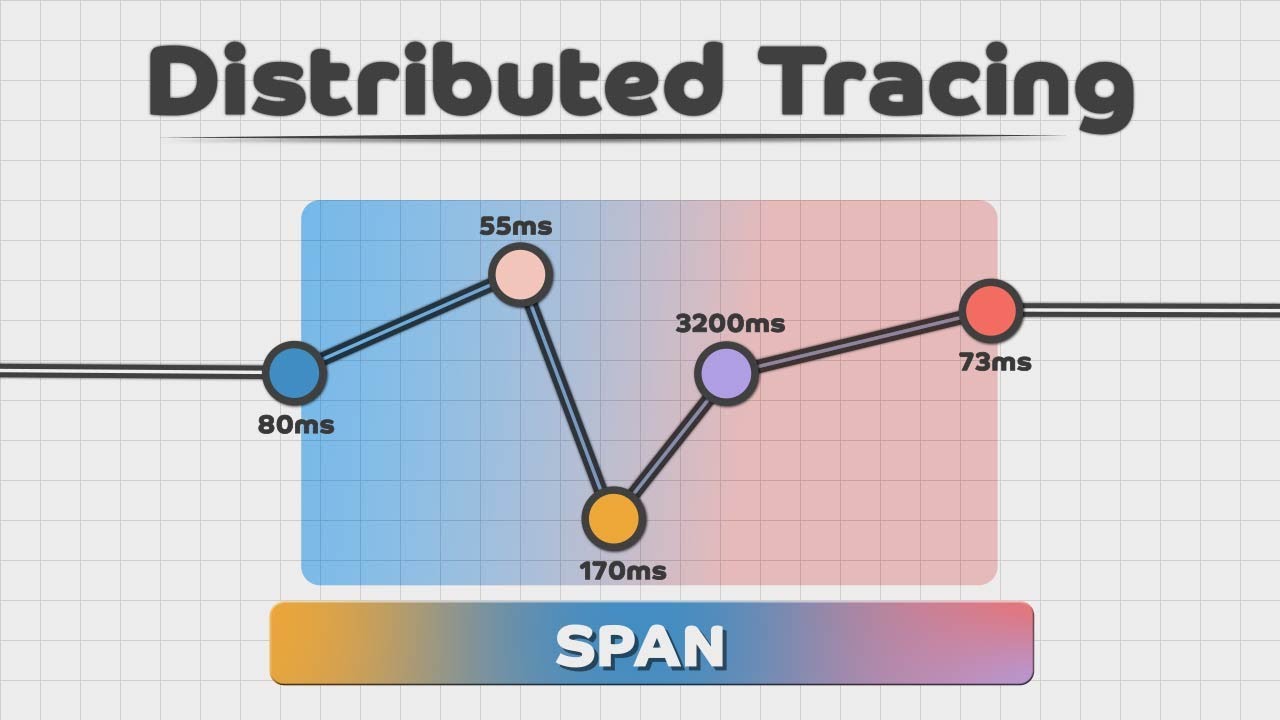
Distributed tracing allows you to track individual requests as they move through different services in your application. This capability is crucial for identifying performance bottlenecks and resolving issues efficiently. Understanding how distributed tracing works can significantly improve the reliability and performance of your system.
Let us delve into five ways distributed tracing allows you to track individual requests.
Unique identifiers
Distributed tracing assigns unique identifiers to each request. These identifiers are carried through each service the request interacts with. This unique tagging makes it easy to follow the request’s journey across the entire system, providing a comprehensive view of its path.
Trace maps
With distributed tracing, you can create trace maps that visualize the flow of requests. These maps show the sequence of services a request passes through. Visual trace maps help in quickly identifying where delays or failures occur within the process.
Timing information
Distributed tracing captures timing information for each service interaction. It records how long a request spends in each service. This detailed timing data allows you to pinpoint slow services or operations, facilitating targeted performance improvements.
Error detection
By tracing requests through different services, distributed tracing helps detect where errors occur. It provides context for these errors, showing what happened before and after the issue. This contextual information is invaluable for troubleshooting and fixing problems efficiently.
Correlated logs
Distributed tracing correlates logs from different services. This means you can see all related logs for a single request in one place. Correlated logs make it easier to understand the sequence of events and the impact of each service on the request, leading to faster diagnosis and resolution of issues.
Final thoughts
Distributed tracing is a powerful tool for tracking individual requests as they move through different services. This enhances the reliability and efficiency of your system, ensuring a better experience for users.
 Evaluation Tech