
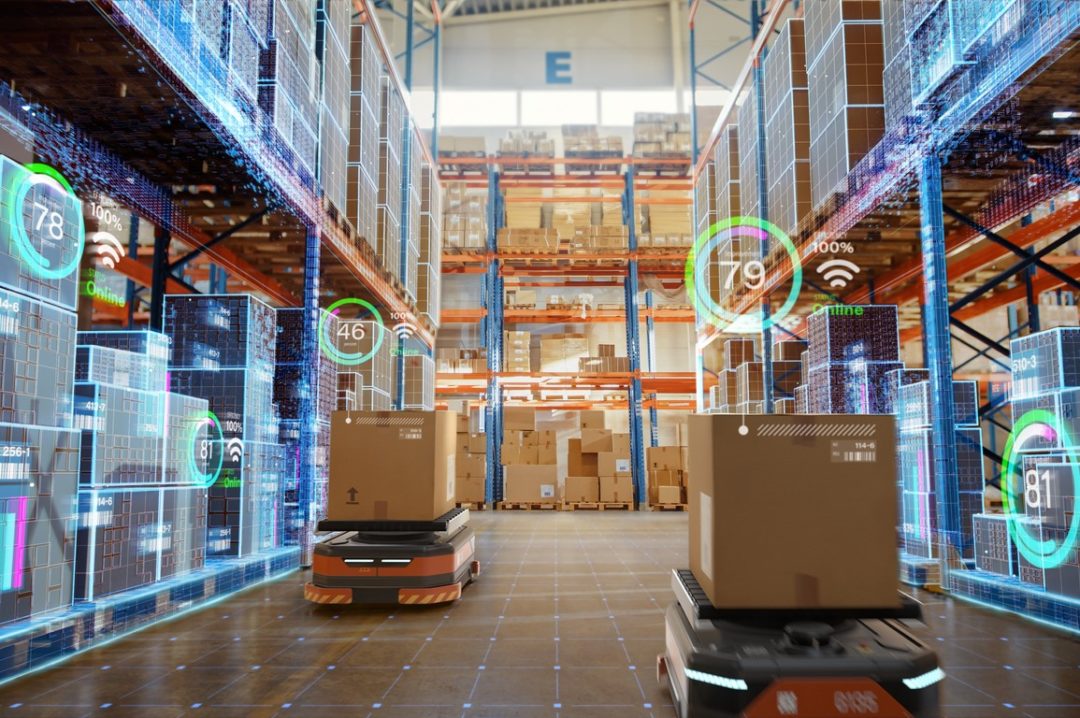
Smart warehouse technology is revolutionizing cold chain management, providing enhanced efficiency, precision, and control over the storage and distribution of temperature-sensitive products. These innovations are critical for industries such as food and beverage, pharmaceuticals, and biotechnology, where maintaining strict temperature conditions is essential. This blog explores the latest trends in smart warehouse technology for cold chain management and how they are transforming the industry.
1. Internet of things (iot) integration
Iot technology is at the forefront of smart warehouse innovations, enabling real-time monitoring and control of environmental conditions within the warehouse.
Key features:
Real-time monitoring: iot sensors continuously monitor temperature, humidity, and other critical parameters.
Automated alerts: immediate notifications are sent if conditions deviate from preset thresholds.
Data collection and analysis: continuous data collection provides insights into environmental patterns and potential issues.
Statistical insight: according to a report by marketsandmarkets, the iot market in warehousing is expected to grow from $3.2 billion in 2020 to $19.9 billion by 2025, at a cagr of 43.6%.
Case study:
Example: a global pharmaceutical company implemented iot sensors across their cold chain warehouses. This technology allowed for real-time monitoring and automated alerts, reducing temperature excursions by 30% and ensuring compliance with regulatory standards.
2. Automation and robotics
Automation and robotics are enhancing efficiency and accuracy in cold chain warehouses, reducing human error and labor costs.
Key features:
Automated guided vehicles (agvs): agvs transport goods within the warehouse, reducing the need for manual handling.
Robotic picking systems: robots equipped with advanced sensors and ai can accurately pick and place items, improving speed and accuracy.
Automated sorting and packing: automation in sorting and packing processes ensures precise handling of temperature-sensitive products.
Statistical insight: according to logisticsiq, the global warehouse automation market is projected to reach $30 billion by 2026, with cold chain logistics being a significant contributor.
Case study:
Example: an online grocery retailer integrated agvs and robotic picking systems into their cold chain warehouses. This automation reduced order processing time by 50% and increased order accuracy by 20%.
3. Advanced analytics and artificial intelligence (ai)
Ai and advanced analytics provide predictive insights and optimization opportunities in cold chain management.
Key features:
Predictive maintenance: ai algorithms analyze equipment performance data to predict and prevent potential failures.
Demand forecasting: advanced analytics forecast demand, helping to optimize inventory levels and reduce waste.
Optimization algorithms: ai optimizes warehouse layout and processes, improving efficiency and reducing energy consumption.
Statistical insight: a study by deloitte found that companies using ai and advanced analytics in their supply chains can achieve a 10-20% reduction in logistics costs and a 10-15% increase in service levels.
Case study:
Example: a dairy producer used ai-driven analytics to optimize their cold chain logistics. The implementation led to a 15% reduction in spoilage and a 12% decrease in energy consumption.
4. Blockchain for enhanced traceability
Blockchain technology enhances traceability and transparency in cold chain logistics, providing a secure and immutable record of transactions.
Key features:
Immutable records: blockchain creates tamper-proof records of all transactions and movements within the supply chain.
Smart contracts: automate compliance checks and trigger actions based on predefined conditions.
Enhanced transparency: provides real-time visibility into the entire supply chain, from production to delivery.
Statistical insight: according to ibm, blockchain can reduce the risk of fraud and increase traceability by up to 50% in the food supply chain.
Case study:
Example: a seafood exporter adopted blockchain technology to track their products from catch to consumer. This implementation improved traceability, reduced fraud, and increased consumer trust, leading to a 15% increase in sales.
5. Energy-efficient technologies
Energy-efficient technologies are becoming increasingly important in cold chain warehouses, helping to reduce operational costs and environmental impact.
Key features:
Led lighting: energy-efficient led lighting reduces power consumption and heat generation.
Efficient hvac systems: advanced hvac systems optimize temperature and humidity control while minimizing energy use.
Renewable energy integration: incorporating renewable energy sources, such as solar panels, to power warehouse operations.
Statistical insight: the u.S. Department of energy reports that energy-efficient technologies can reduce energy consumption in warehouses by up to 30%.
Case study:
Example: a cold storage facility integrated energy-efficient hvac systems and led lighting, resulting in a 25% reduction in energy costs and a smaller carbon footprint.
6. Cloud-based warehouse management systems (wms)
Cloud-based wms offer scalability, flexibility, and real-time access to warehouse data, enhancing overall management and coordination.
Key features:
Real-time inventory management: provides real-time visibility into inventory levels and movements.
Scalability: easily scalable to accommodate business growth and seasonal fluctuations.
Integration: seamlessly integrates with other enterprise systems, such as erp and transportation management systems.
Statistical insight: according to gartner, cloud-based wms adoption is expected to grow by 20% annually, as businesses seek flexible and scalable solutions.
Case study:
Example: a frozen food distributor adopted a cloud-based wms, which improved inventory accuracy by 30% and reduced order fulfillment times by 20%.
7. Enhanced cold chain packaging
Innovative packaging solutions are crucial for maintaining product integrity during storage and transportation.
Key features:
Insulated containers: high-performance insulated containers maintain consistent temperatures.
Active packaging: technologies such as phase change materials (pcms) and vacuum insulation panels (vips) extend the shelf life of products.
Sustainable packaging: eco-friendly packaging materials reduce environmental impact.
Statistical insight: the global market for cold chain packaging is expected to reach $12.6 billion by 2026, growing at a cagr of 9.8%, according to marketsandmarkets.
Case study:
Example: a luxury chocolate manufacturer used active packaging with phase change materials for their products. This innovation maintained optimal temperatures during transit, reducing spoilage rates by 20%.
Conclusion
Smart warehouse technology is transforming cold chain management, enhancing efficiency, precision, and control over the storage and distribution of temperature-sensitive products. By integrating iot, automation, ai, blockchain, energy-efficient technologies, cloud-based wms, and advanced packaging solutions, businesses can optimize their cold chain operations, reduce costs, and improve service levels. As these technologies continue to evolve, they will play an increasingly vital role in meeting the demands of the modern cold chain logistics landscape.
 Evaluation Tech