
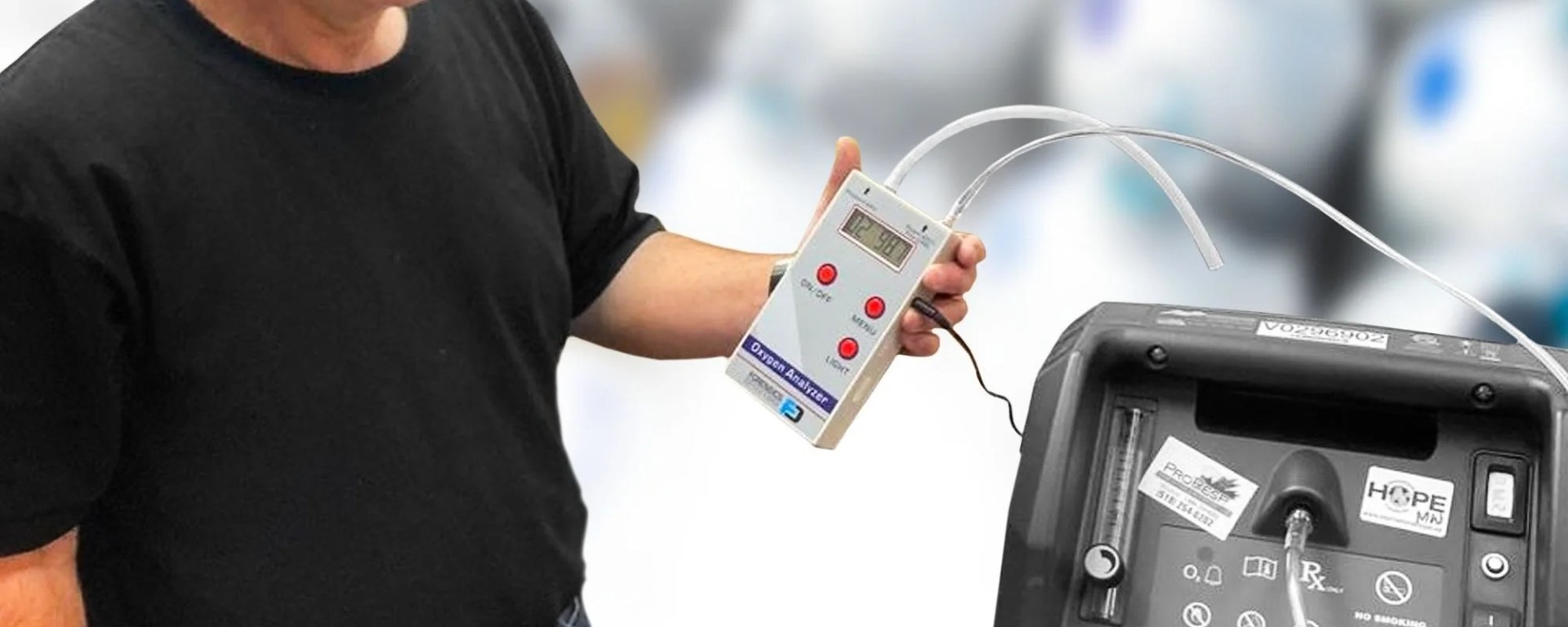
Oxygen concentration is a critical variable in far more industrial processes than most people outside those industries realise, from confined space safety monitoring to combustion control to modified atmosphere packaging. An oxygen analyzer gives an accurate, real-time reading where guessing is not an option.
The right analyzer for a given application depends heavily on the range being measured and the environment it needs to operate in, which is where a lot of purchasing decisions go wrong.
Where Oxygen Analyzers Are Used
Applications range from safety-critical confined space entry checks, where getting the reading wrong can be fatal, to industrial process control in combustion and gas blending, to quality control in food packaging where oxygen levels affect shelf life. Each use case has different accuracy and response-time requirements.
Sensor Technology and Accuracy
Different oxygen analyzers use different sensor technologies, including electrochemical, zirconia, and paramagnetic sensors, each with different strengths depending on the concentration range, response speed, and environmental conditions involved. Matching the sensor type to the application is what determines whether the readings are actually trustworthy.
Maintenance and Sensor Life
Oxygen sensors have a finite working life and degrade gradually rather than failing outright, which makes routine verification against a known reference important. A facility relying on an analyzer well past its sensor’s expected life is trusting a reading it can no longer be confident in.
Choosing and Supporting the Right Analyzer
Oxygen analyzers from Mechlink are selected based on the specific application, concentration range, and environment involved, with ongoing calibration and sensor replacement support included as part of the relationship.
For businesses in Singapore that depend on accurate oxygen measurement for safety or process control, Mechlink supplies the analyzers and the technical backup needed to keep readings reliable.

